Hydrogen Gas Reduces Liver Injury in Transplant Surgery in Rats
Hypothermic Machine Perfusion with Hydrogen Gas Reduces Focal Injury in Rat Livers but Fails to Restore Organ Function
Research hubs: Digestive System
This research was done in animals. Results in animals often don't carry over to people.
- Evidence type
- Animal study (rat)
- Authors
- Moto Fukai, Sodai Sakamoto, Hiroki Bochimoto, Nur Khatijah Mohd Zin, Kengo Shibata, Takahisa Ishikawa, Shingo Shimada, Norio Kawamura, Masato Fujiyoshi, Sunao Fujiyoshi, Kosei Nakamura, Tsuyoshi Shimamura, Akinobu Taketomi
- Journal
- Transplantation Proceedings
- Year
- 2023
- PMID
- 36948959
- Study Type
- Rat
- Delivery
- Perfusion Solution (Dissolved)
- Dose
- Dissolved H2 gas during hypothermic machine perfusion for 3 hours at 7°C
- Outcome
- Positive
- Peer Reviewed
- Yes
- Cited by
- 3 (OpenAlex, as of November 2026)
- Country
- Japan
TL;DR
Adding hydrogen gas to a special cold preservation method for rat livers donated after death improves some aspects of liver health and structure.
Key Finding
Hydrogen gas added during machine preservation reduced cell death and preserved cellular structures in rat livers, but did not restore critical liver functions like bile production or oxygen consumption.
Summary
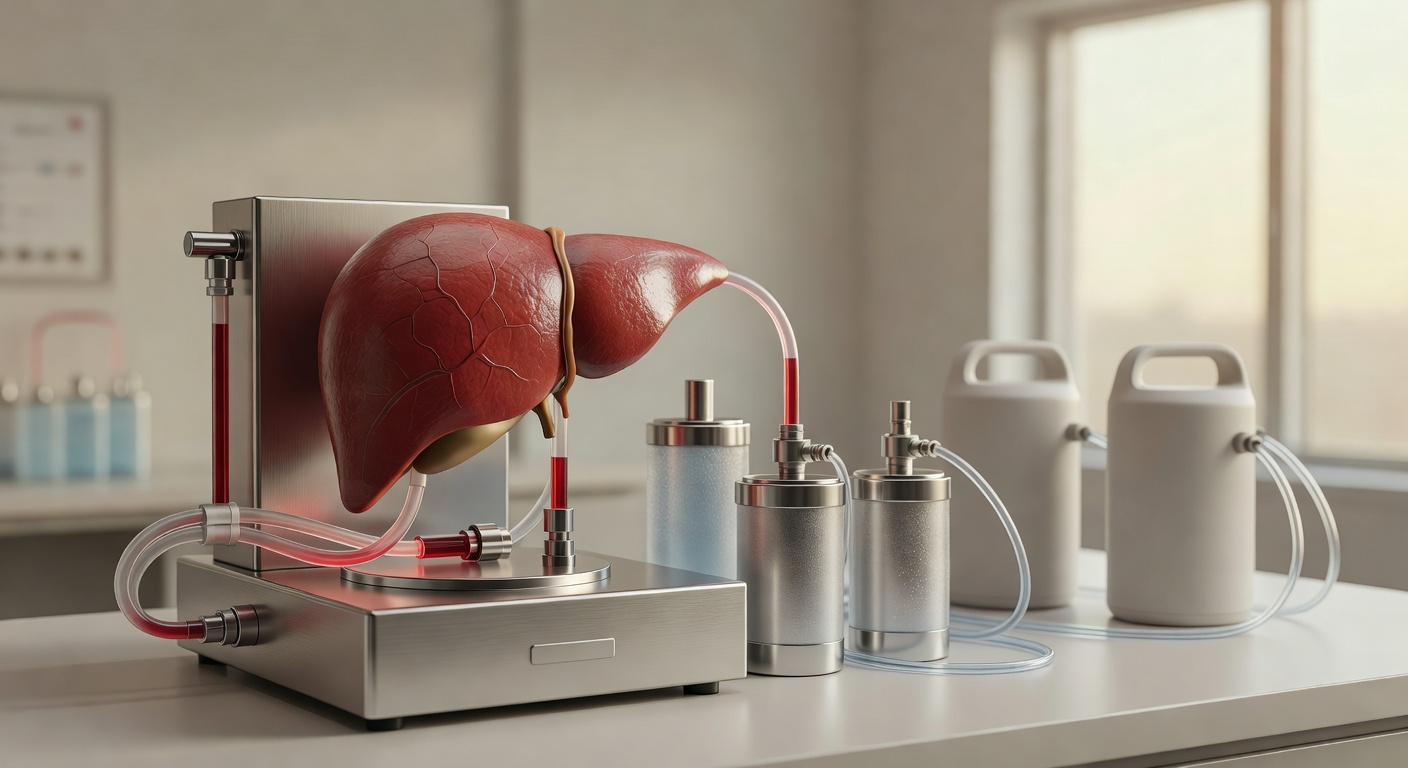
Researchers tested whether adding hydrogen gas to a machine that preserves donor livers (from donors who had stopped breathing) could reduce damage during storage and improve function after transplant. In rat livers, hydrogen gas reduced certain types of cell death and preserved the internal structures of cells, but it did not improve the liver's ability to produce bile or use oxygen—key measures of whether a liver would actually work after transplant.
Practical Takeaway
This early-stage rat study suggests hydrogen gas may help protect liver cells during the preservation process, but it was not enough to restore full organ function. Much more research is needed before this approach could be tested in humans, and the findings highlight that reducing cell damage alone may not be sufficient for successful organ transplantation.
Abstract (excerpt)
Background: We have previously reported the efficacy of post-reperfusion H2 gas treatment in cold storage (CS) and subsequent reperfusion of the rat liver. The present study aimed to evaluate the effect of H2 gas treatment during hypothermic machine perfusion (HMP) in rat livers retrieved…